
Same-Day Dental Implants: What “Teeth in a Day” Actually Means

- What Does “Teeth in a Day” Mean?
- Implant Placement and Immediate Teeth Are Different Decisions
- Why Same-Day Teeth Are Often Temporary
- Who May Qualify for Same-Day Treatment?
- Does Bone Loss Rule Out Same-Day Implants?
- How All-on-4 Relates to Teeth in a Day
- What Happens Before the Surgical Appointment?
- Why Healing Continues After You Receive Teeth
- Recovery Requires a Practical Plan
- What Should Your Treatment Quote Include?
- Conclusion
- Frequently Asked Questions
- Are teeth in a day usually permanent teeth?
- Can everyone receive same-day implant teeth?
- Can I chew normally immediately afterward?
- Is immediate implant placement the same as same-day teeth?
- Does All-on-4 guarantee teeth on surgery day?
- Will I still need follow-up appointments?
- What happens if same-day teeth are unsuitable?
- Frequently Asked Questions
The phrase “teeth in a day” sounds like a complete transformation within one appointment. However, implant treatment involves more than placing replacement teeth.
For suitable patients, temporary teeth may be attached on the day implants are placed. Healing, follow-up visits, and the final restoration usually come later.
Understanding that difference helps you ask better questions and plan your recovery. It also prevents confusion between leaving with teeth and completing treatment.
What Does “Teeth in a Day” Mean?
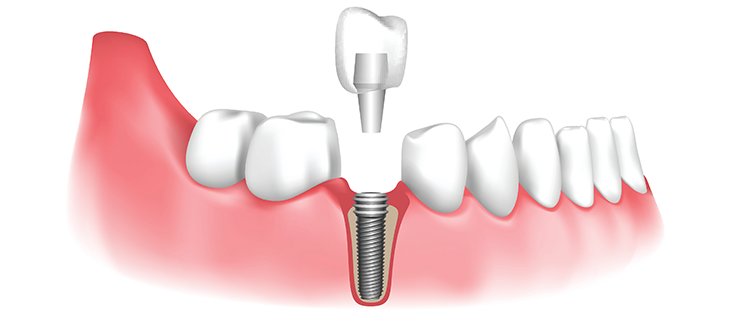
A dental implant is a post placed into the jawbone to support a replacement tooth or teeth. The visible restoration might be a crown, bridge, or denture.
Same-day treatment generally refers to attaching a replacement restoration during the surgical appointment. Often, this is a temporary restoration.
If you are considering same day implants in Agoura Hills, ask exactly what the proposed appointment includes. Does it cover implant placement, temporary teeth, or the final restoration?
These details matter because the implant still needs to integrate with surrounding bone. Receiving temporary teeth does not eliminate that biological process.
A consultation should explain the full sequence, including any circumstances that could change the plan.
Implant Placement and Immediate Teeth Are Different Decisions
Several treatment steps can happen together, but they describe different things.
Immediate implant placement means inserting an implant when a tooth is extracted. It does not automatically mean attaching teeth that day.
Immediate restoration means providing replacement teeth soon after placement. For some single-tooth cases, the temporary crown avoids contact with opposing teeth.
Immediate loading involves attaching teeth that participate in the bite shortly after surgery. Technical definitions can include the first week.
Therefore, “immediate” and “same-day” are not always interchangeable. Ask your dentist to describe the actual timing in ordinary language.
That explanation should cover when you receive teeth and how you can use them.
Why Same-Day Teeth Are Often Temporary
Temporary teeth provide an interim restoration while the implants and surrounding tissues heal. They are part of the treatment process.
They may also help your dentist assess appearance, speech, and your bite before creating the final restoration.
However, temporary teeth have limitations. You should not assume they can immediately handle your usual chewing habits.
The final teeth are fitted when your dental team determines that healing and stability are sufficient.
Their design may reflect changes observed during recovery. Discuss materials, maintenance, and the expected transition before treatment begins.
Ask whether your quote includes both temporary and final teeth. This avoids comparing treatment estimates with different components.
Who May Qualify for Same-Day Treatment?
Eligibility depends on your mouth, overall health, and the planned restoration. It cannot be established from photographs alone.
Your dentist assesses whether the implants can achieve adequate initial stability. This means how firmly they hold when first placed.
Initial stability differs from the later bond formed through healing. Both matter when planning treatment.
Your assessment may include:
- Available bone and the proposed implant positions.
- Gum health and existing dental problems.
- Medical conditions and medications affecting treatment.
- Smoking and other habits affecting healing.
- Grinding, clenching, and the anticipated bite forces.
- Your ability to follow recovery instructions and attend appointments.
A favorable assessment does not remove every uncertainty. Your dentist may need to confirm stability during surgery.
Ask what alternative will be used if fixed temporary teeth cannot safely be attached.
Does Bone Loss Rule Out Same-Day Implants?
Bone loss does not provide a simple yes-or-no answer. Its location and extent influence the available options.
Some patients may need grafting or another staged procedure. Others may qualify for an approach using available bone.
Additional surgery can affect whether immediate loading is appropriate. A scan and examination help your dentist assess these factors.
Avoid assuming that a particular implant system removes every bone-related limitation.
When researching dental implants in Agoura Hills, ask how your bone condition affects treatment timing. Request an explanation specific to your case.
A slower approach may offer a more suitable path when immediate teeth would introduce unnecessary risk.
How All-on-4 Relates to Teeth in a Day
All-on-4 uses four implants to support replacement teeth across one arch. An arch means the upper or lower jaw.
It may be combined with same-day temporary teeth in suitable cases. However, the name alone does not guarantee immediate teeth.
Other full-arch plans may use different implant numbers. The appropriate arrangement depends on the individual treatment plan.
Patients comparing full mouth dental implants in Agoura Hills should clarify whether their estimate covers one arch or both.
Also confirm whether the replacement teeth are fixed or removable. These options involve different cleaning routines and everyday experiences.
Agoura Advanced Dentistry lists single-tooth, implant-supported bridge, and full-arch treatment options on its implant service page.
What Happens Before the Surgical Appointment?
“Teeth in a day” usually describes a treatment milestone rather than the first contact with the practice.
Planning appointments may happen beforehand. These can include reviewing your history, examining your mouth, and obtaining appropriate imaging.
Your team also needs to discuss the restoration and prepare for its delivery.
Bring an updated medication list and explain previous problems with dental treatment. Discuss your priorities, including comfort, appearance, and practical recovery needs.
Ask about transportation if sedation is planned. Request instructions about eating, medications, and preparation.
Knowing these details beforehand helps you arrange time away from work and support at home.
Why Healing Continues After You Receive Teeth
The implant must become integrated with the surrounding bone. This process is called osseointegration.
Having teeth attached does not mean the implant has completed healing. The FDA notes that healing can take several months or longer.
Your dentist monitors recovery and decides when the final restoration is appropriate. The schedule can change according to your response.
Temporary teeth should therefore be treated as part of a healing phase.
Follow the prescribed food restrictions even if your smile looks finished. Comfort alone cannot confirm that an implant is ready for unrestricted chewing.
Recovery Requires a Practical Plan
Before surgery, ask your team for instructions covering the first days and the following weeks.
Your recovery plan should explain:
- Which foods and textures are permitted.
- How to clean around the surgical sites and temporary teeth.
- Which medications to take and when.
- When you can resume work, exercise, and other activities.
- When follow-up appointments are scheduled.
- Which symptoms require an immediate call.
Keep those instructions somewhere accessible. Share relevant details with anyone helping you after treatment.
If you are unsure whether a food is suitable, ask before trying it. Do not test your temporary teeth unnecessarily. Contact your dental team promptly if the implant or attached teeth feel loose. Report worsening pain or other unexpected changes.
Regular cleaning and follow-up remain important after the final teeth are fitted.
What Should Your Treatment Quote Include?
A starting price does not explain the entire treatment. Ask for an itemized estimate covering the planned stages.
Clarify whether imaging, extractions, sedation, temporary teeth, and final teeth are included. Discuss additional procedures that might become necessary.
Also ask about adjustments, maintenance appointments, and potential repair costs.
If you are considering a dental implants payment plan, review interest, repayment terms, and eligibility requirements.
Understand what happens financially if the treatment sequence changes. A written explanation makes comparisons easier and reduces uncertainty.
The most useful quote connects each cost to the actual care you will receive.
Conclusion
Same-day teeth can shorten the period without an attached restoration for suitable patients. They do not eliminate assessment, healing, or aftercare.
Understanding the temporary stage helps you approach treatment with realistic expectations.
Choose a plan based on clinical suitability and a clear explanation of every stage.

Discuss Your Implant Options
Considering same day implants in Agoura Hills? Contact Agoura Advanced Dentistry to discuss eligibility, temporary teeth, and your complete treatment timeline.
Frequently Asked Questions
Are teeth in a day usually permanent teeth?
Often, they are temporary teeth. Confirm what your individual plan includes.
Can everyone receive same-day implant teeth?
No. Bone condition, health, implant stability, and other factors affect eligibility.
Can I chew normally immediately afterward?
Do not assume so. Follow your dental team’s prescribed food restrictions.
Is immediate implant placement the same as same-day teeth?
No. Placement timing and restoration timing are separate decisions.
Does All-on-4 guarantee teeth on surgery day?
No. Immediate teeth depend on assessment and adequate implant stability.
Will I still need follow-up appointments?
Yes. Your team needs to monitor healing and manage the next treatment stages.
What happens if same-day teeth are unsuitable?
Your dentist may recommend delayed attachment or another temporary replacement option.