
What Patients Should Know About Modern Root Canal Treatment

A tooth infection can affect comfort, sensitivity, and overall oral health. Modern treatment uses advanced techniques and improved technology to help preserve natural teeth while reducing discomfort. When infection or inflammation reaches the inner pulp from decay, cracks, or injury, root canal therapy removes damaged tissue, cleans the tooth, and helps prevent further complications. For those exploring root canal in Century City, understanding the procedure and benefits can help make informed decisions about maintaining a healthy smile.
Table of Contents
- Understanding Modern Root Canal Treatment
- How Modern Root Canal Treatment Has Changed
- Signs You May Need Root Canal Treatment
- What Happens During a Modern Root Canal Procedure?
- Benefits of Saving a Natural Tooth
- Recovery and Aftercare Following Root Canal Treatment
- Conclusion
Understanding Modern Root Canal Treatment
What Is a Root Canal Procedure?
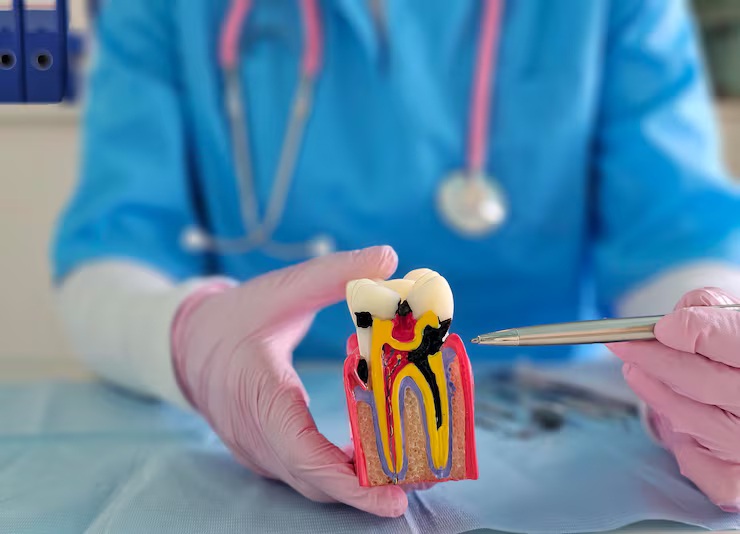
A root canal is a restorative dental procedure that treats problems affecting the soft tissue inside a tooth, known as the pulp. This area contains nerves, blood vessels, and connective tissue. When bacteria reach the pulp because of cavities, cracks, or damage, infection can develop, causing pain or swelling.
Many people searching for the best dentist in Century City experience symptoms such as persistent tooth pain, sensitivity to hot or cold temperatures, discomfort while chewing, gum swelling, or signs of infection. Consulting a dental professional early can help prevent the condition from becoming more complex.
How Modern Root Canal Treatment Has Changed
Improved Technology for Better Treatment Planning
Dental technology has significantly improved the root canal experience. Modern practices may use advanced imaging, digital X-rays, magnification tools, and specialized instruments to understand tooth structure more accurately.
These advancements allow dentists to identify the number and shape of root canals, locate areas of infection, and create a more precise treatment approach. Better visualization helps improve accuracy and supports predictable outcomes.
Comfortable Treatment With Modern Techniques
One of the biggest concerns patients have is whether a root canal will be painful. However, modern anesthesia methods and refined procedures allow most patients to experience minimal discomfort during treatment. For those considering a root canal in Century City, understanding these advanced techniques can help reduce anxiety and create realistic expectations. Root canal therapy is generally comparable to other routine dental procedures when performed using current methods and a patient-focused approach.
Dentists consider a patient’s comfort throughout the process, from diagnosis to recovery. Dentists use appropriate numbing techniques and carefully monitor the procedure to help create a more relaxed experience.
Signs You May Need Root Canal Treatment
Common Symptoms That Should Not Be Ignored
Some dental infections develop gradually, while others create noticeable symptoms. Common signs that may indicate the need for evaluation include:
- Persistent tooth pain
- Sensitivity that continues after exposure to hot or cold foods
- Pain when biting or chewing
- Darkening or discoloration of a tooth
- Swelling around the gums
- A recurring pimple or bump on the gums
In some situations, a tooth may require treatment even if pain is not severe. A dental exam and imaging can reveal hidden infections or damage that may not show up during daily activities.
Patients researching a dentist in Century City should consider scheduling an evaluation when symptoms appear, rather than waiting for discomfort to become severe.

What Happens During a Modern Root Canal Procedure?
Step 1: Examination and Diagnosis
The first step involves examining the affected tooth and reviewing symptoms. Dental X-rays or other diagnostic tools may help assess the condition of the tooth roots and surrounding structures.
This evaluation helps determine whether root canal treatment is appropriate or whether another approach is needed.
Step 2: Cleaning the Infected Area
During the procedure, the dentist creates a small opening in the tooth to access the infected pulp. The dentist removes the damaged tissue and carefully cleans and disinfects the inside of the tooth.
Step 3: Filling and Protecting the Tooth
After cleaning, the dentist carefully fills and seals the root canals to help prevent bacteria from entering again. In many cases, a crown or permanent restoration may be recommended afterward to strengthen and protect the treated tooth. This final step helps maintain tooth function and durability, especially for patients seeking root canal in Century City, where preserving natural teeth and supporting long-term oral health are important goals.
This final restoration helps maintain tooth strength and support long-term function.
Benefits of Saving a Natural Tooth
Maintaining Normal Function
One of the primary advantages of root therapy is preserving the natural tooth. Keeping the original tooth can help maintain normal chewing ability, appearance, and alignment.
Removing a tooth may require replacement options such as implants or bridges. When a tooth can be successfully treated, preserving it may support better long-term oral health.
Supporting Overall Oral Health
An untreated infection can potentially spread and affect surrounding tissues. Timely treatment helps address the source of the problem and reduces the risk of additional dental complications.
Patients searching for a dentist in Century City often look for professionals who focus on accurate diagnosis, patient education, and personalized treatment planning.
Recovery and Aftercare Following Root Canal Treatment
After a root canal, some patients experience mild tenderness or sensitivity around the treated tooth. This discomfort is usually temporary and improves as the area heals.
Following professional aftercare recommendations can support recovery:
- Avoid putting excessive pressure on the treated tooth until restoration is complete
- Maintain regular brushing and flossing habits
- Attend follow-up appointments
- Schedule recommended restorations such as crowns when advised
A properly restored tooth can continue functioning for many years with good oral hygiene and routine dental care. Century Smile Maker provides patient-focused dental care with modern approaches to procedures such as root canal therapy, helping individuals understand their options and make informed decisions about their oral health.

Common Questions About Modern Root Canal Treatment
Is a root canal painful?
Modern root canal treatment is typically performed with local anesthesia to help minimize discomfort. Patients may experience mild soreness after the procedure, but the treatment itself is generally manageable and comparable to other dental procedures.
How long does a root canal procedure take?
Treatment length depends on the tooth’s condition, the number of canals involved, and the case’s complexity. Many root procedures can be completed in one or two visits.
How do I know if I need a root canal?
Symptoms such as ongoing tooth pain, swelling, sensitivity, or discomfort while chewing may indicate a problem requiring evaluation. A dental professional in Century City can confirm whether root therapy is necessary through an examination and diagnostic imaging.
Can a tooth survive after a root canal?
Yes. A treated tooth can continue functioning after the infected pulp is removed and the tooth is properly restored. The surrounding tissues continue supporting the tooth even after root treatment.
Is extraction better than getting a root canal?
The best option depends on the tooth’s condition. When a tooth can be successfully treated and restored, treatment planning often considers saving the natural tooth. A dental professional can explain the benefits and limitations of each option.
How can I choose the right provider for root canal treatment?
Look for a dental professional with experience in diagnosing tooth infections, explaining procedures clearly, and using modern treatment methods. Reviewing qualifications, services, and patient-focused care approaches can help you choose confidently.
Conclusion
Modern root canal treatment has evolved significantly, providing patients with a more comfortable and effective solution for infected or damaged teeth. With advanced diagnostic tools, improved techniques, and a focus on preserving natural teeth, procedures such as root canal in Century City can help restore oral health, relieve discomfort, and reduce the need for unnecessary tooth removal while supporting long-term dental function.
Looking for expert guidance for a tooth infection or damaged tooth? Schedule a dental consultation with Century Smile Maker to explore personalized root canal treatment options and restore lasting comfort.
Need professional care for tooth pain or infection? Find a trusted dental provider near you to discuss modern root canal treatment options and get personalized guidance for your smile.