

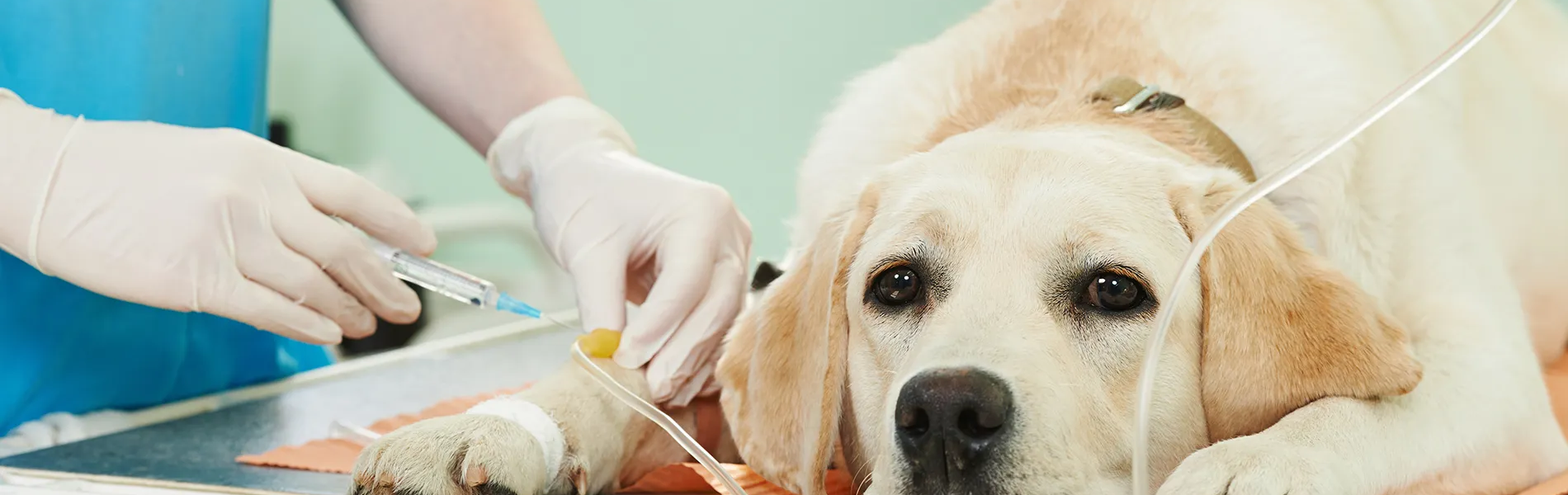
Comprehensive Dog Surgery Guide: Key Information Every Pet Owner Should Know

As a dog owner, there may come a time when your beloved pet requires surgery. Whether it’s an elective procedure, like spaying or neutering, or a more urgent surgery following an injury or illness, understanding the surgical process is essential. Surgery can be a stressful experience for both you and your dog, but knowing what to expect, how to prepare, and where to find the best care can make the process smoother. If you’ve been searching for a “vet hospital near me” or “dog surgery in Encino,” this blog provides you with a comprehensive guide on dog surgeries, including what you need to know about the types of surgeries, recovery, and choosing the right veterinary care.
Table of Contents
The Importance of Dog Surgery: When Is Surgery Needed?
While the idea of your dog undergoing surgery can be intimidating, surgery can play a crucial role in maintaining or improving their health. Dogs can require surgery for a variety of reasons, ranging from medical necessity to elective procedures. Understanding when surgery is required and the benefits it provides can ease the decision-making process.
Surgery may be necessary in the following situations:
- Trauma or Injury: Dogs are active animals that often face accidents, whether it’s a car accident, a fall, or a fight with another animal. In these cases, surgery may be necessary to repair broken bones, internal injuries, or torn ligaments.
- Health Issues: Certain medical conditions, such as bladder stones, tumors, or gastrointestinal blockages, often require surgery to prevent further damage or complications. If your dog suffers from persistent vomiting, lethargy, or loss of appetite, it may be due to an underlying health issue that requires surgical intervention.
- Elective Procedures: Some surgeries are done for preventive or health-promoting reasons. For example, spaying and neutering help control the pet population and prevent certain health problems, such as cancers and infections. Additionally, dental procedures may be necessary if your dog suffers from periodontal disease.
No matter the reason, it’s essential to choose a reputable veterinary hospital in Encino that offers the expertise needed for safe and effective surgical procedures.
Types of Dog Surgeries: What You Need to Know
Dog surgeries vary widely in terms of purpose, complexity, and recovery time. Here, we break down some of the most common types of surgeries performed on dogs.
Spaying and Neutering
One of the most routine surgeries for dogs, spaying (for females) and neutering (for males), is typically performed at a young age to prevent unwanted pregnancies and reduce the risk of certain health issues, such as uterine infections in females or testicular cancer in males. These procedures are generally low-risk, but like any surgery, they require proper post-operative care to ensure recovery.
Orthopedic Surgery
Orthopedic surgeries are required when a dog suffers from a musculoskeletal injury. This can include broken bones, torn ligaments (such as the cruciate ligament), or hip dysplasia. Dogs involved in accidents, as well as older dogs with joint degeneration, may need orthopedic surgery to restore mobility and alleviate pain. These surgeries are more complex than routine procedures and may require longer recovery times.
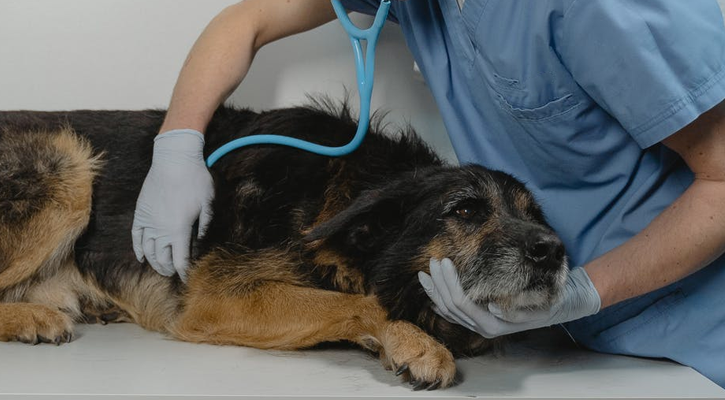
Tumor and Growth Removal
If your dog develops tumors or abnormal growths, surgery may be required to remove them. These growths can range from benign lumps that are harmless to malignant tumors that may require further treatment. Early detection and surgical removal are key to improving your dog’s health outcomes, especially if the tumor is cancerous.
Emergency Surgery
Emergency surgery is required when a dog has a life-threatening condition that requires immediate attention. For example, if your dog is suffering from severe bleeding, a foreign object blockage, bloat (gastric torsion), or internal injuries, surgery will be necessary to stabilize their condition and prevent further damage. In cases like this, finding a reliable emergency vet clinic in Encino is crucial for fast and effective treatment.
Dental Surgery
Dental surgery is necessary when a dog has severe oral health problems, such as gum disease or infected teeth. Untreated dental issues can lead to chronic pain, difficulty eating, and more serious conditions, including kidney disease. In some cases, tooth extraction or deep cleaning may be needed to resolve the problem and ensure your dog’s health is not compromised.
Other Informative Blogs to Read
Emergency Same-Day Blocked Kitchen Sink Repairs for Edmondson Park Residents
Affordable Towing Service: Your Budget-Friendly Roadside Solution
Reimagine Your Photos with Unique and Durable Metal Photo Prints
What to Expect During Your Dog’s Surgery
Whether your dog is undergoing a routine or emergency surgery, knowing what to expect can alleviate some anxiety. Here’s what typically happens during the process:
- Pre-Surgery Examination
Before any surgery, your dog will undergo a thorough health check-up to ensure they are fit for the procedure. This examination may include blood work, X-rays, or other diagnostic tests to assess their overall health and any potential risks. - Anesthesia
Surgery requires general anesthesia, which means your dog will be unconscious during the procedure. The veterinary team will closely monitor your dog’s vital signs, including heart rate and breathing, throughout the surgery to ensure their safety. - The Surgery
The surgery itself will depend on the procedure your dog is undergoing. Whether it’s a simple spay or neuter, an orthopedic repair, or a more complex surgery, the veterinary surgeon will work carefully to minimize pain and prevent complications. - Recovery and Aftercare
After surgery, your dog will be taken to a recovery area where they will be closely monitored until they wake up from anesthesia. Pain management and post-operative care are crucial for a successful recovery, and your vet will provide you with detailed instructions on how to care for your dog at home. This may include administering medications, limiting activity, and monitoring the surgical site for signs of infection.

Your pet’s health is in good hands with us. Schedule your visit now!
How to Choose the Right Veterinary Surgery Center for Your Dog
When your dog needs surgery, selecting the right veterinary surgeon near you or a dog surgery clinic in Encino is vital to ensuring the best outcome. Here are a few tips for choosing the right facility:
- Experience and Specialization
Look for a veterinary hospital with specialized experience in performing surgeries on dogs. Whether your dog requires an orthopedic procedure or emergency surgery, you want to make sure the surgical team is well-trained and has the expertise necessary for the procedure. - State-of-the-Art Facilities
The best veterinary hospitals have modern equipment, including diagnostic tools, surgical instruments, and monitoring equipment. Ensure the hospital you choose has the resources to handle your dog’s specific surgical needs. - Emergency Services
Emergencies can happen at any time, so it’s essential to choose a veterinary hospital that offers emergency vet clinic services. This will ensure that your dog gets immediate attention if an urgent situation arises. - Compassionate Care
Surgery can be a stressful experience for both you and your dog. Choose a clinic known for its compassionate care and excellent customer service. A veterinary hospital that genuinely cares for pets will make the entire experience smoother and less stressful.
The Cost of Dog Surgery
The cost of dog surgery varies based on the type and complexity of the procedure. Simple procedures like spaying or neutering typically cost less, while more complex surgeries, such as orthopedic or emergency surgeries, can be more expensive. It’s essential to discuss pricing with your vet before the procedure so that you can plan accordingly.
Some veterinary clinics offer payment plans or financing options to help manage the cost of surgery. Be sure to ask your clinic about payment options or any available discounts for multiple services.
FAQs
How long does it take for a dog to recover from surgery?
Recovery time depends on the type of surgery. Minor surgeries may take a few days, while more complex procedures may require several weeks for full recovery.
Can my dog eat before surgery?
Typically, your vet will ask you to withhold food and water for several hours before surgery to reduce the risk of complications with anesthesia.
Is my dog in pain after surgery?
Your vet will provide pain-management medications to help keep your dog comfortable during recovery.
Can I delay my dog’s surgery?
Delaying surgery can sometimes worsen your dog’s condition. It’s essential to follow your vet’s recommendation and have the surgery done promptly to avoid complications.
Ensure Your Dog’s Health with Expert Surgical Care
Don’t wait—protect your pet’s health today by scheduling an appointment. If you’re looking for a trusted pet surgery clinic in Encino, Encino Pet Hospital and Emergency is here to help. Visit us at 17324 Ventura Blvd, Encino, CA 91316, or call us today to book your appointment. Our team is ready to provide the best care for your feline companion.